

Introduction
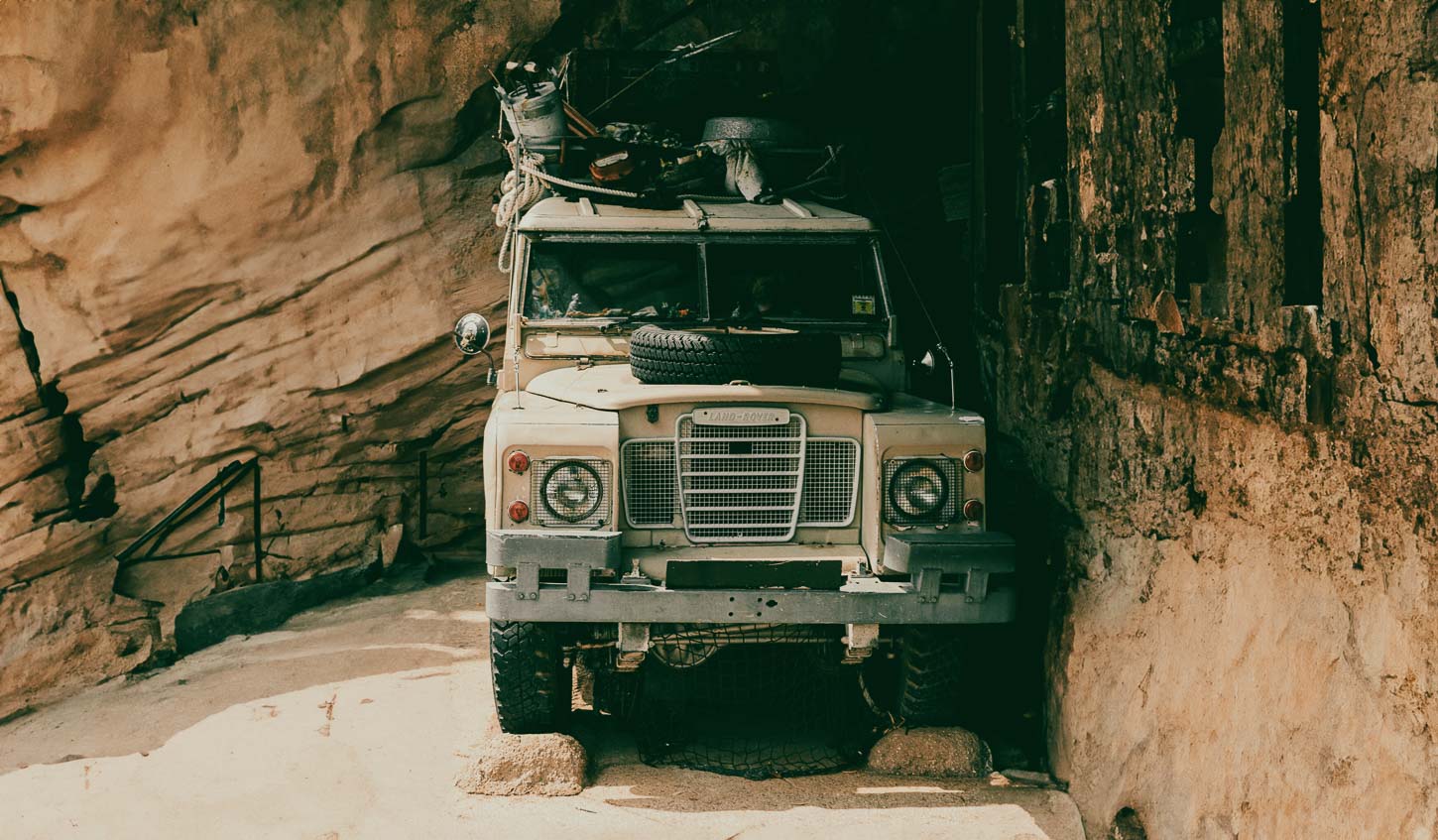
Overlanding offers the opportunity to explore remote and untouched landscapes, immersing yourself in nature. However, the key to a successful overlanding adventure lies in thorough preparation. Ensuring your vehicle is capable of handling the demanding terrain, equipped with the necessary modifications, and stocked with essential supplies is crucial.
Assessing Vehicle Capability
Before setting off on your overlanding journey, it’s essential to evaluate your vehicle’s capabilities. Consider factors such as ground clearance, suspension, four-wheel drive system, and towing capacity. Understanding your vehicle’s limitations will help you plan your routes and choose suitable destinations.
Essential Vehicle Modifications
To enhance your vehicle’s performance and durability during off-roading, specific modifications are recommended. These modifications may include installing all-terrain tires, upgrading the suspension system, adding skid plates for undercarriage protection, equipping a winch, and installing auxiliary lighting for improved visibility.
Ensuring Off-Road Performance
Off-road performance is critical when embarking on an overlanding adventure. Regularly inspect and maintain your vehicle’s drivetrain, including the engine, transmission, differentials, and transfer case. Additionally, consider upgrading the air intake system and exhaust for improved performance at higher altitudes and challenging terrains.
Storage and Organization
Efficient storage and organization are paramount when packing for an overlanding trip. Utilize roof racks, cargo boxes, and storage systems to maximize space within your vehicle. Pack your gear strategically, ensuring easy access to essential items while distributing the weight evenly for optimal vehicle balance.
Reliable Communication
Maintaining communication while exploring remote areas is essential for safety and peace of mind. Invest in a reliable communication system such as a satellite phone, two-way radios, or a Personal Locator Beacon (PLB). These devices will allow you to stay connected in case of emergencies or when seeking assistance.
Vehicle Maintenance and Checks
Regular vehicle maintenance is crucial to prevent breakdowns during your overlanding adventure. Schedule routine inspections, oil changes, and fluid checks to keep your vehicle in top condition. Additionally, learn basic maintenance tasks such as changing a tire and replacing essential fluids to be self-sufficient on the road.
Emergency Preparedness
Unforeseen circumstances can occur during overlanding trips, so it’s vital to be prepared for emergencies. Pack a comprehensive first aid kit, fire extinguisher, and emergency tools such as a multi-tool, jumper cables, and a portable air compressor. Familiarize yourself with basic first aid procedures and wilderness survival skills.
Safety Measures
Safety should always be a top priority during overlanding. Install a robust recovery kit, including recovery straps, shackles, and a sturdy shovel to assist in getting your vehicle out of challenging situations. Additionally, equip your vehicle with a fire extinguisher, a reflective triangle, and a comprehensive toolkit for on-the-go repairs.
Navigation Tools
Accurate navigation is crucial when venturing into unfamiliar territory. Invest in reliable navigation tools such as GPS devices, satellite mapping systems, or offline maps for your smartphone. Carry a compass and learn how to read and navigate using a topographic map for situations where technology may fail.
Camping Equipment and Supplies
Overlanding often involves camping in remote areas, so having the right equipment and supplies is essential. Invest in a durable and spacious rooftop tent or ground tent, comfortable sleeping bags, camp chairs, and a portable camping stove. Pack sufficient food, water, and cooking utensils to sustain yourself during the journey.
Personal Essentials
Don’t forget to pack personal essentials such as clothing suitable for varying weather conditions, insect repellent, sunscreen, and toiletries. Consider the duration of your trip and pack enough clothing for the entire duration, along with spare layers to accommodate changes in temperature.
Conclusion
Preparing your vehicle for an overlanding adventure is a crucial step towards a safe and enjoyable experience. Assessing your vehicle’s capabilities, making essential modifications, ensuring off-road performance, organizing storage, maintaining communication, and prioritizing safety measures are all vital aspects to consider. With thorough preparation, you’ll be well-equipped to embrace the challenges and wonders of overlanding.
FAQs
1. Is overlanding suitable for beginners?
Absolutely! Overlanding can be enjoyed by both beginners and experienced adventurers. However, it’s essential to start with easier routes and gradually build your skills and confidence.
2. How do I choose the right off-road tires for my vehicle?
Consider factors such as tire size, tread pattern, load capacity, and durability. Research tire options suitable for your vehicle and the terrain you’ll be encountering.
3. Can I overland with a two-wheel drive vehicle?
While a four-wheel drive vehicle offers better off-road capabilities, it is possible to overland with a two-wheel drive vehicle, provided you choose less challenging routes and exercise caution.
4. What should I do in case of a breakdown in a remote area?
If you experience a breakdown in a remote area, assess the situation and, if necessary, contact emergency services. It’s important to have a roadside assistance plan or know how to perform basic repairs to get your vehicle operational again.
5. Are there any specific camping etiquettes I should follow during overlanding trips?
Respect the environment and follow the principles of Leave No Trace. Avoid disturbing wildlife, camp only in designated areas, and properly dispose of waste. Leave the natural surroundings as you found them for others to enjoy.