

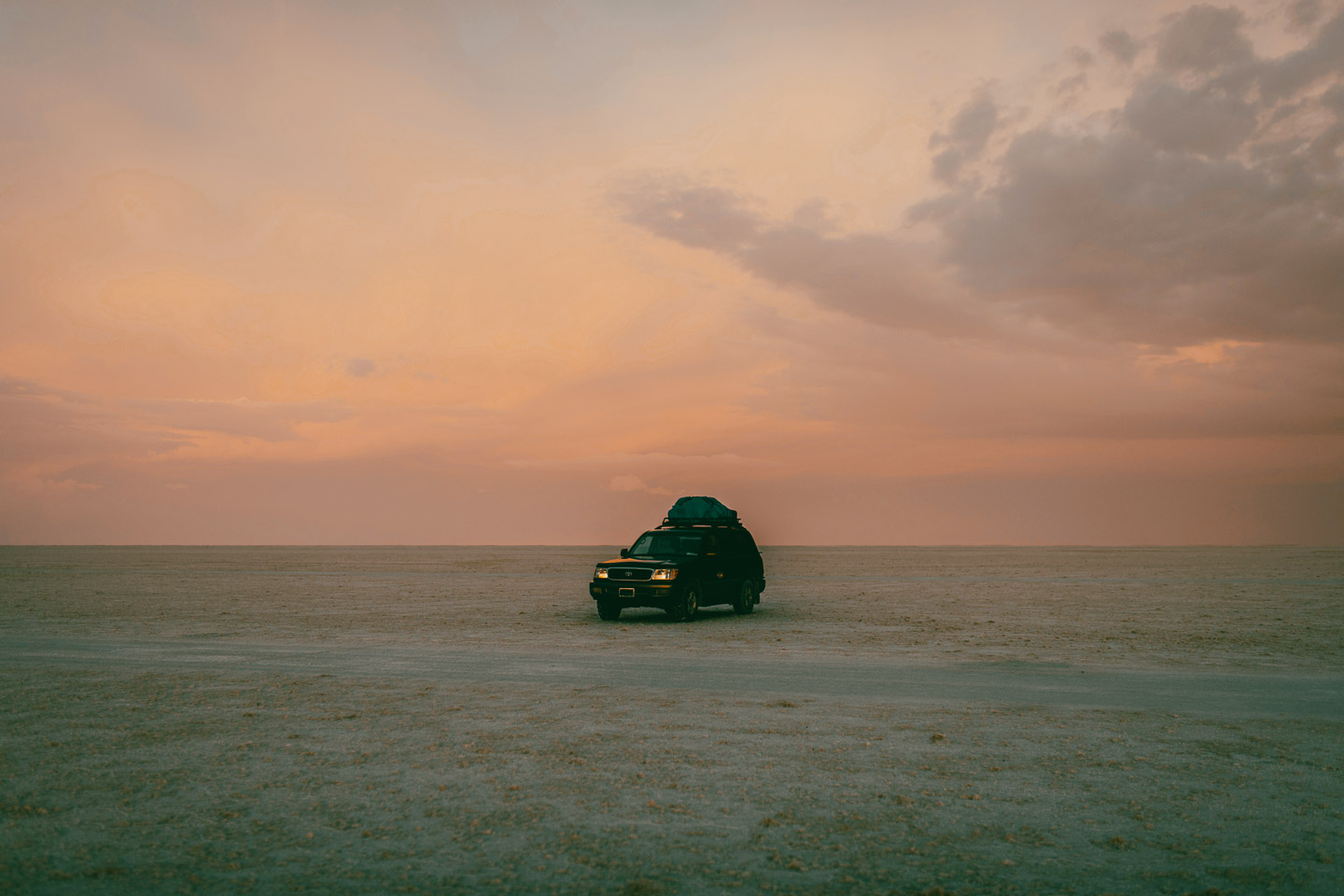
Has the adventurer in you ever felt the urge to pack up your vehicle, hit the road, and explore the less-traveled paths of the world? If so, why wait? Here’s why you should start your automotive and overlanding journey today!
What is Overlanding?
Overlanding is a form of self-reliant adventure travel, where the journey itself is more important than the destination. Often, it involves exploring remote locations, generally in a four-wheel-drive vehicle, and can last for days, weeks, or even months!
Why Overlanding?
Why not? Overlanding opens a world of opportunities for exploration and adventure. It challenges you, tests your resilience, and rewards you with breathtaking views and unforgettable experiences. It’s not just a trip; it’s a lifestyle.
The Thrill of Adventure
Each overlanding journey is unique, filled with the unexpected. Imagine navigating your way through rocky terrains, crossing streams, camping under starry skies, and waking up to the chirping of birds. Isn’t it thrilling?
Essential Gear for Overlanding
Venturing into the unknown requires preparation, especially when it comes to gear. Here’s what you need for a successful overlanding trip.
The Right Vehicle
The choice of vehicle largely determines your overlanding experience. While four-wheel drives are popular, what matters most is reliability and off-road capability.
Top Vehicle Choices
From Land Rover Defenders to Toyota Land Cruisers, there’s a range of vehicles perfect for overlanding. Your choice depends on your preference, budget, and the nature of the terrain you plan to tackle.
Necessary Equipment
The right gear can make or break your journey. Hence, it’s essential to pack wisely.
Essential Overlanding Kit
This includes navigation tools, camping gear, food and water supplies, recovery equipment, and vehicle repair tools. Having the right kit can make your trip more enjoyable and safer.
Preparing for the Overlanding Journey
Every great journey starts with great preparation. Here’s how you can get ready for your overlanding adventure.
Plan Your Route
Know where you’re going, but be flexible. That’s the mantra of overlanding. Use maps and navigation tools to plan your route, but be open to changes.
Maps and Navigation
Whether you prefer traditional paper maps or digital GPS devices, make sure you have reliable navigation tools. You never know when you’ll need them!
Safety and Emergency Preparedness
Being prepared for emergencies is crucial when you’re miles away from civilization.
First Aid and Survival Kits
Always have a well-stocked first aid kit and survival gear handy. From injuries to unexpected weather changes, be prepared for anything.
Embracing the Overlanding Lifestyle
Overlanding is more than a journey; it’s a lifestyle and a community.
Building a Community
From online forums to clubs, there’s a vibrant overlanding community out there, ready to share experiences, advice, and camaraderie. Being part of this community can enhance your overlanding experience.
Respecting the Environment
Overlanding is about respecting the environment you travel through. Adopt the ‘leave no trace’ principle, ensuring the places you visit remain pristine for future explorers.
Conclusion
So why wait? Start your adventurous automotive and overlanding journey today. The road is calling, and adventure awaits. Embrace the thrill, soak in the experiences, and enjoy the ride of a lifetime!
FAQs
- What is the best vehicle for overlanding?
- There’s no one-size-fits-all answer. The best vehicle depends on the individual’s preference, budget, and the nature of the terrain they plan to tackle.
- Is overlanding dangerous?
- Like any adventure, overlanding comes with risks. However, with proper preparation and equipment, these risks can be mitigated.
- How do I start overlanding?
- Start with research. Understand what overlanding entails, decide on your preferred routes, invest in the right gear, and join an overlanding community for advice and support.
- Can I overland alone?
- Yes, you can, but it’s generally safer and more enjoyable to travel with others, especially when starting.
- Do I need any special training for overlanding?
- Basic off-road driving skills, map reading, and first aid knowledge are helpful. More experience will be gained along the journey!